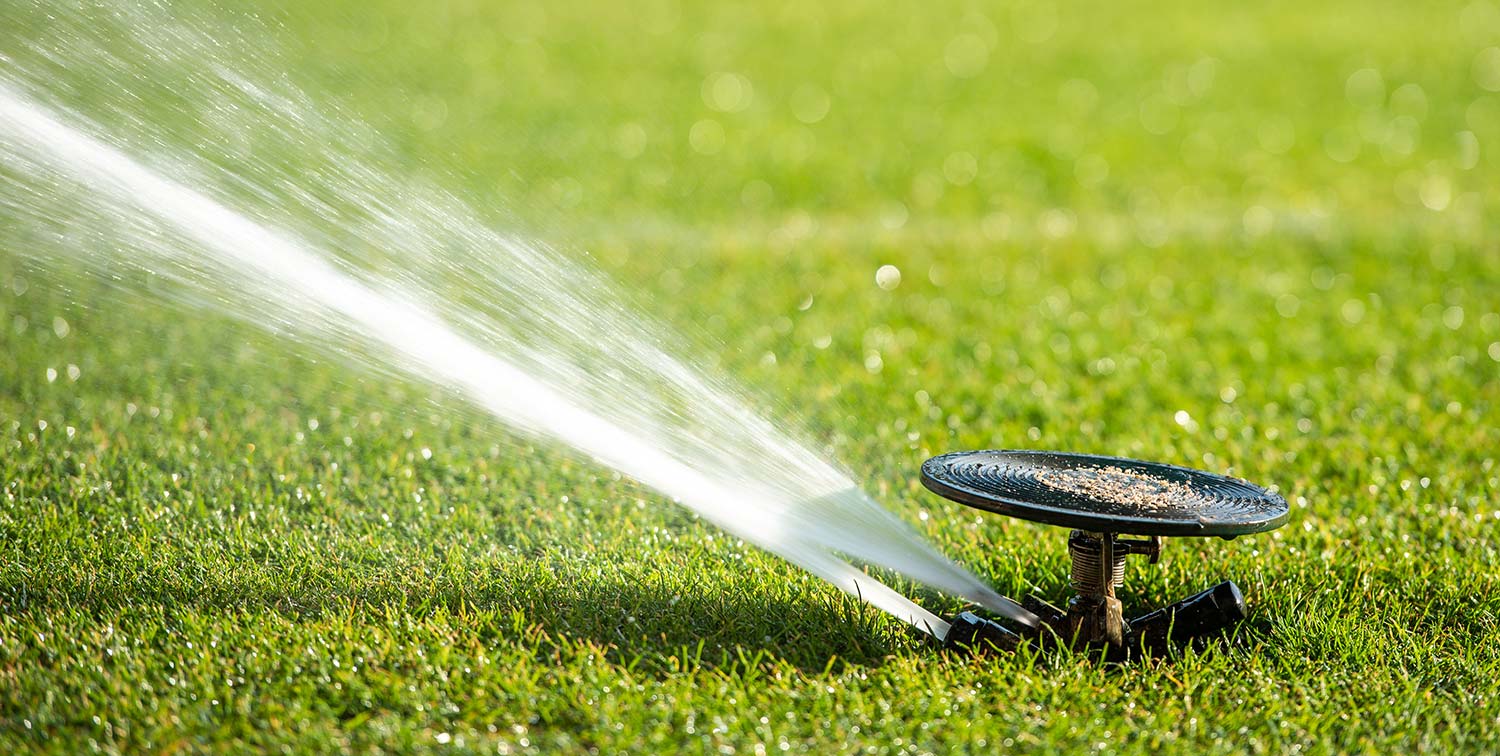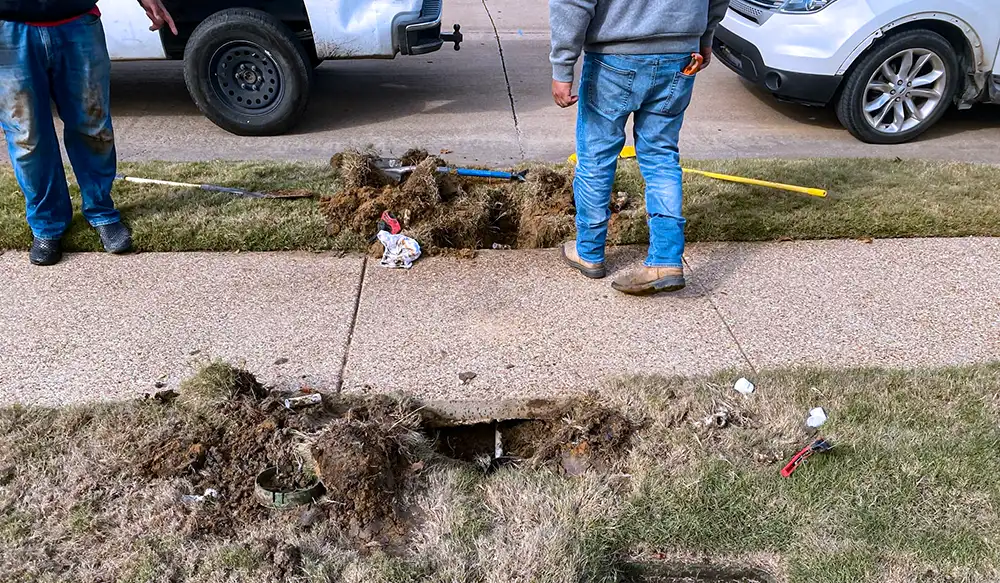
Water pressure inconsistency is not something that you should ignore unless you don’t mind seeing your lawn turn to a crazy patchwork of green streaks and dry spots. You don’t even need to go through any fancy charts to understand that something is wrong with your sprinkler system. You just need to open your eyes to things that are happening around you. The first thing you will notice is that most of the time, the spray is behaving strangely. Sometimes, the sprays are behaving like they are tired and don’t want to show up at all but within a few minutes, the sprinkler will start behaving angrily; it will be spraying the water everywhere. Your shoes will get wet, your driveways will get flooded and sometimes, the walls will receive some residue of water they never asked for.
Now, none of this is a normal behavior of a functional sprinkler system. It just indicates one thing and that is the sprinkler system is struggling to maintain proper water pressure.
Low Water Pressure
When the pressure is low, you are going to notice something peculiar. Your sprinkler will start acting shy as if it’s unsure how much water to spray – or whether it should spray at all. The stream will fall midway as if it is allowing gravity to win intentionally. Low PSI can make a sprinkler system behave erratically. Uneven coverage is certainly one of the telltale signs of a sprinkler system under extreme stress. Slowly you will start noticing weird geometric shapes such as – half circles, broken arcs etc, all across your lawn as the sprayers will be struggling to water the grass evenly.
You will notice minor changes in the shape of the droplets as well. Droplets will stop being sharp and fine and they will transition into something big and fat. The coverage area will shrink at the same time as the sprinkler will be fighting its inner demons code named – water pressure fluctuations. You simply can’t expect the grass to do well during the summer months if a 30ft rated sprinkler start struggling to reach 18 feet all of a sudden. Most pop-up sprinkler heads that you come across these days are designed to operate optimally around 30 to 40 PSI. But when PSI drops below 25, all hell breaks loose. Water distribution will be heavily affected, to say the least in a such scenario.
High Water Pressure
When the water pressure is high, things might also get nasty. First, you will notice a loud hissing noise coming from the sprays. The sprayers will stop spraying water; instead, they will turn water into mist. The water will be everywhere, except in those places where it is needed the most. High water pressure will eventually lead to issues like overspray, atomization and fogging. On warm days, fine mists evaporate faster than they can reach the soil so that the grass can find some respite from the intense heat. Whenever water pressure exceeds above 50 PSI, it leads to mist formation almost immediately. And this can serious consequences for water delivery as well. Research shows that water pressure above 50 PSI can reduce water delivery by a massive 20 percent, which is huge by any standard.
Low VS High Water Pressure: A Close Analysis
When the pressure is low, water particles immediately reach the ground. On the flip side, when the pressure is high, it leads to the formation of mist and when mist is formed, water particles refuse to land on the ground and even if they somehow manage to land in some places, it will always be in wrong places.
You can easily spot water pressure imbalances by running two zones at the same time. Sprinklers in one zone may work seamlessly whereas in another zone, it might start acting like a maniac. Worn-out pressure regulators, half-open valves and changes in elevation can all have an impact on the overall performance of the sprayers.
Sprinkler heads react badly when pressure is wrong
The easiest way to identify low water pressure without using any fancy tools is by looking at the opening and closing of the sprinkler heads. When the pressure is low, most sprinkler heads start behaving abnormally; they start opening in a weird uneven way. In some cases, when the pressure is low, the head will refuse to open fully and some in some cases, they tend to react early.
Rotors may also refuse to rotate properly and start twitching when the water pressure is low. But when the pressure is high, rotors will do exactly the opposite. Their heads will open and close violently and thereby causing irreparable damage to the seals. This is the reason why most manufacturers of sprinkler heads clearly specify an operating pressure range. Now, if you make them operate outside those recommended PSI range, the internal parts of those sprinkler heads will start degrading and this will eventually have a negative impact on their longevity.